Nineteenth century London and modern-day Appalachia don’t sound like they have much in common. After all, there’s two hundred years and several thousand miles between them, with different mores, linguistic idioms and politics only heightening the apparent differences. Yet Demon Copperhead shows how suffocating poverty works pretty much the same wherever it occurs, regardless of setting or time. Author Barbara Kingsolver demonstrates deftly how one of the constants of poverty is personal misery, driving the dispossessed to self-destruction in doomed attempts at escape.
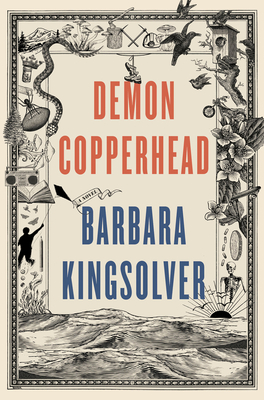
Modern-day America allows Kingsolver to address the same issues Dickens tackled in David Copperfield, reminding us that abject poverty and entrenched social inequality didn’t disappear like the corsets, crinolines and petticoats from the Victorian era.
The two settings offer the same lives of grinding, relentless desperation . . . Both lead to the same readiness to grab at anything that appears to offer release, however fleeting: gin for 19th century Londoners, opiate painkillers for 21st century Appalachia. Superficially attractive but cruel and selfish people . . .
The epigraph reads: “It’s in vain to recall the past unless it works some influence upon the present.” The book obeys that mantra, invoking the past to illuminate the entrenched nature of poverty passed from one generation to another. Unwanted yet inescapable. A constant.
Although you can’t help but think of David Copperfield as you read Kingsolver’s novel, Demon Copperhead more than stands on its own merit, the references to Dickens reinforcing the suggestion that poverty is familial, hereditary, permanent. “My name was from my father,” says Demon, possibly referring to more than just the gift of nomenclature.
Rightly, the book has won plaudits from critics and writers alike, including the 2023 Pulitzer Prize. “Without doubt the best book I’ll read this year,” says British writer Kate Atkinson.
The occasional glimpses of Demon’s unhappiness make our response all the stronger for his usual stoicism and restraint, with him never indulging in outright self-pity. My heart hurt as I read these words: “I wanted to go home. Which was nowhere, but it’s a feeling you keep having, even after that’s no place anymore.”
The Cast
Betsy Trotwood inspires Miss Woodall. Benevolent and wealthy relative.
Tommy Traddles becomes Tommy Waddell, also known as Waddles. Stoic. Likeable.
Steerforth is Fast Forward. A cad.
Mr and Mrs McCobb are the Micawbers – but darker, crueller versions who steal from David.
U Haul is Uriah Heep. “Stringy pink hair”. Creepy. Fake self-deprecation. “He waved a long hand in front of him, like shooing flies. “I’m nobody. Assistant coach.” He leaned further in and extended a hand to Jane Ellen, causing her to rear back again.”
David Copperfield is Demon Copperhead. Named for his red hair. And his father.
Mr Dick appears under the same name, offering Demon the first man-to-man advice of his life. “Never be mean in anything, never be false. Never be cruel. I can always be hopeful of you.” Kites feature for both men.
Agnes becomes the tomboy Angus.
Mr Edward Murdstone becomes Stoner, cruel second husband of David’s mother.
Clara Copperfield – mom. Fragile. A child herself, really.
You can’t help but marvel at Kingsolver’s ingenuity in translating Dickens’ David Copperfield into modern-day America. I wept as I read. Heartbreaking and brilliant.
Marmalade and Mustardseed review
 Helen Fowler Writer